
The Allure of Gambling: What Draws People In
Gambling is a complex activity that captivates millions around the globe, particularly in the vibrant setting of casinos. The thrill of chance, the anticipation of a potential win, and the enticing environment of flashing lights and sounds all contribute to the allure of gambling. For many, it serves as a form of entertainment, offering a temporary escape from daily life. This psychological attraction is rooted in a mix of excitement and uncertainty that can be both enticing and addictive. Many players seek out the best online casinos in canada to enhance their gaming experiences, further illustrating the growing interest in this form of entertainment.
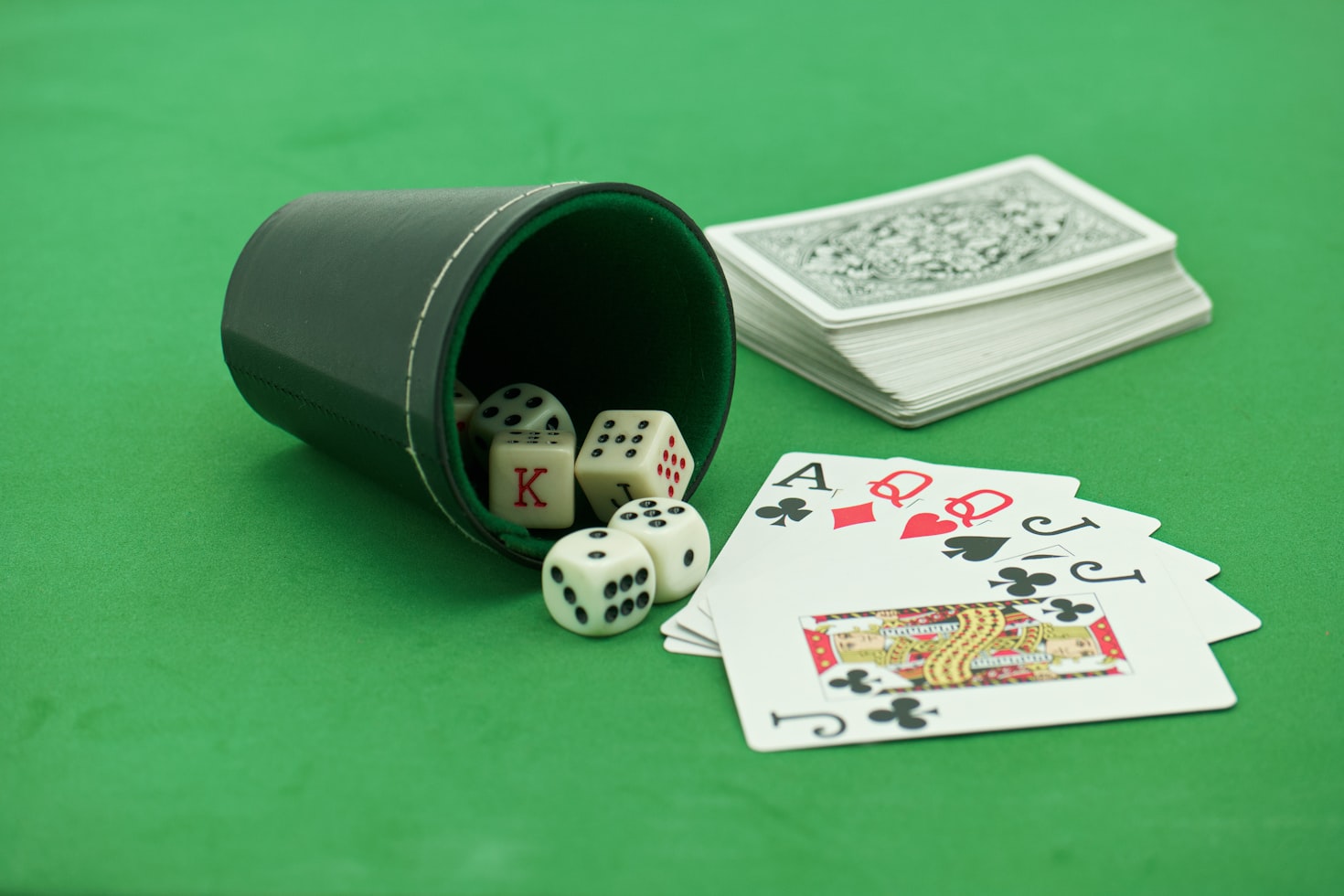
Moreover, casinos are designed to keep players engaged for as long as possible. The layout, which often lacks windows and clocks, minimizes awareness of time, encouraging individuals to stay longer. This manipulation of the environment taps into the psychological aspects of gambling, where winning becomes associated with a heightened state of euphoria, reinforcing the desire to continue playing. This creates a cycle that can be hard to break, even when the odds are not in the gambler’s favor.
The Role of Cognitive Biases in Gambling
Cognitive biases significantly influence how individuals perceive and engage with gambling activities. One of the most notable biases is the illusion of control, where players believe they can influence the outcome of games that are fundamentally based on chance. This belief can lead to reckless betting behaviors, as individuals overestimate their skills or knowledge, convincing themselves that they can consistently beat the odds.
Another common bias is the gambler’s fallacy, the misconception that previous outcomes affect future probabilities. For instance, a player may think that a slot machine is «due» for a payout after a series of losses, leading them to wager more than they should. Understanding these cognitive distortions is essential as they underscore the psychological traps that many gamblers fall into, perpetuating a cycle of loss and hope that can be difficult to escape.
The Impact of Emotions on Gambling Behavior
Emotions play a vital role in gambling behaviors, with feelings of excitement, stress, and disappointment influencing decision-making processes. For some, the exhilaration of winning can trigger feelings of euphoria, promoting further play. Conversely, losses can induce stress and lead individuals to chase their losses, a behavior that often exacerbates gambling problems. This emotional rollercoaster can cloud judgment, making it challenging for players to make rational decisions.
Additionally, the social environment of casinos amplifies these emotional influences. Interactions with other players and the atmosphere of shared excitement can enhance emotional experiences and lead to impulsive betting. Understanding the emotional aspects of gambling is crucial for addressing responsible gambling practices and promoting healthier gaming habits within casino environments.
The Social Dynamics of Gambling in Casinos
The social aspect of gambling is significant, as casinos often serve as communal spaces where individuals gather to enjoy their favorite games. This interaction fosters a sense of belonging and camaraderie among players, which can enhance the overall gaming experience. However, this social dynamic can also lead to peer pressure, encouraging individuals to gamble more than they intended.
Moreover, the role of advertising and marketing strategies employed by casinos cannot be overlooked. Promotions, loyalty programs, and events are designed to create a sense of community and loyalty, making it easier for players to engage in gambling activities. Understanding these social dynamics is essential for recognizing the broader implications of gambling behavior within casino settings.

Resources and Support for Responsible Gambling
As the understanding of the psychology of gambling grows, so does the effort to promote responsible gaming practices. Various resources are available for individuals seeking help or guidance with their gambling habits. Many casinos provide information on responsible gambling, including self-exclusion programs and counseling services, aimed at helping players recognize problematic behaviors.
Additionally, numerous organizations offer support for those struggling with gambling addiction. These resources are vital in fostering awareness and encouraging a healthy approach to gaming. By understanding the psychological underpinnings of gambling, individuals can make informed decisions and seek help when necessary, ensuring that their experiences in casinos remain enjoyable and within healthy limits.